Records Classification
IDA automates manual records workflows and makes content searchable—for faster processing and better-informed decisions.















What is records classification?
Records classification automatically transforms individual documents into complete, structured records. The focus is on building consistent record structures through intelligent document classification and assignment. Over 300 different document classes are accurately identified and filed into the correct structure.
IDA offers two AI-powered approaches depending on your use case: Trainable classification for standardized document types like personnel or patient files (e.g., following German „KDL“ – Clinical Document Classification List), and AI-generated tables of contents for complex, unstructured records like legal case files.
The result: Complete digital records that aren’t just archived—they’re actively usable. As instantly searchable knowledge sources for your teams and reliable foundations for automated decision-making processes.
Common challenges
Mixed formats
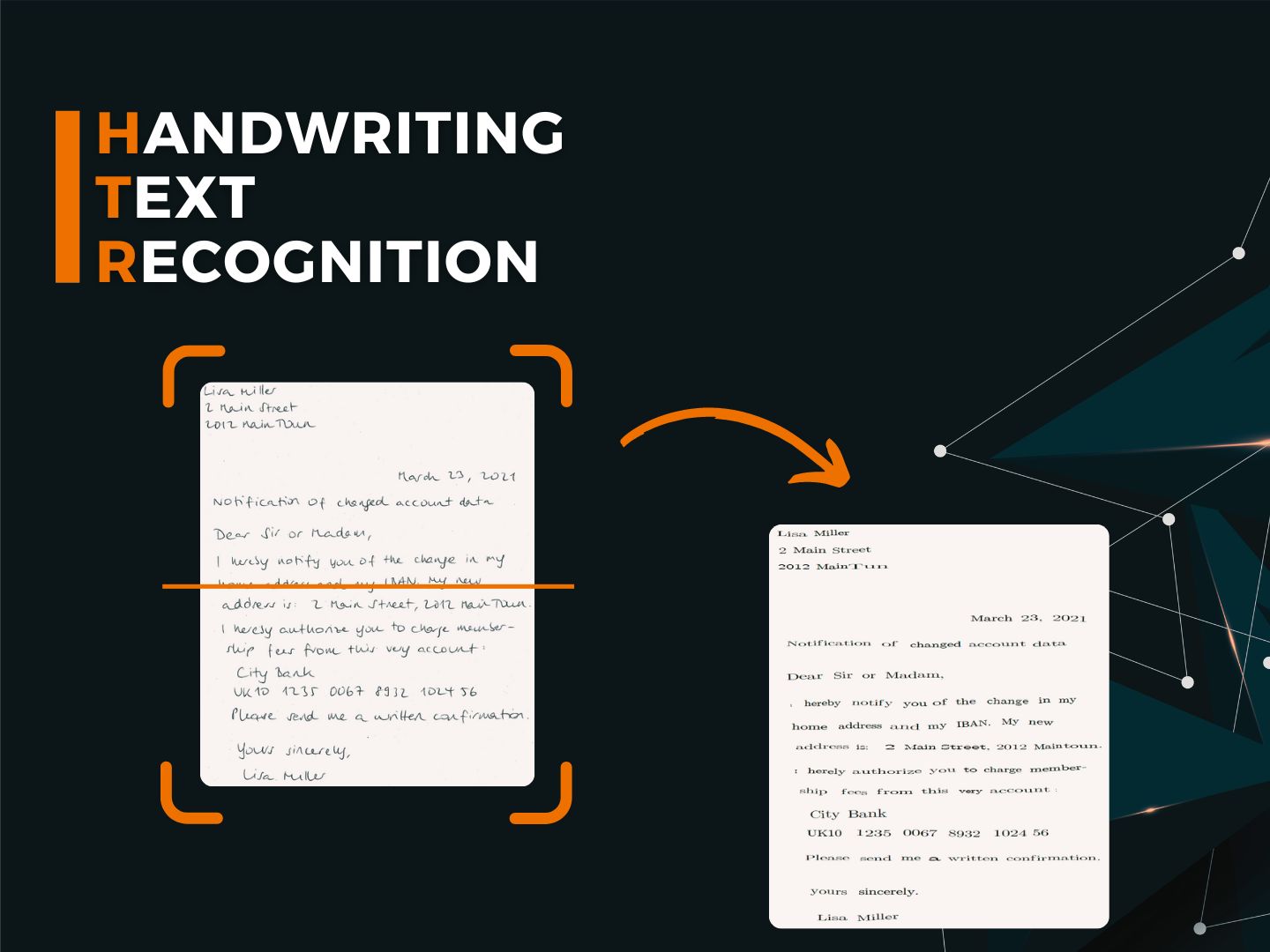
A single record contains diverse formats—handwritten notes, scans, structured PDFs. Without robust processing, gaps appear in your documentation.
Hundreds of document classes
Documents arrive in dozens of formats, such as PDFs, TIFF, JPEG, PNG, and more. Without robust processing, downstream processes fail at the first step.
Manual effort consumes time
Employees must manually separate and classify documents. With 50% automation rates, half of all documents still require manual post-processing.
Lengthy setup times
Traditional rule-based systems need months of setup time for new filing plans or document classes, slowing digitization projects to a crawl.
How IDA supports you
How it works
> 91%
Automation rate
> 80%
Time savings through automation
< 1%
False positives
5 Days
Setup time
Industries and use cases
Records classification is essential wherever numerous document classes and formats must be managed—
from scanning service providers to legal and HR departments.
Scanning Service Providers
High-volume processing of heterogeneous document types with maximum automation and minimized post-processing costs for diverse client projects.
Public Sector
Automatic sorting of applications, decisions, and correspondence while maintaining strict data protection requirements and full data sovereignty.
Insurance
Automatic classification of benefit claims, expert reports, invoices, and correspondence.
Healthcare
Structuring patient records according to KDL (German Clinical Document Classification List): findings, medical reports, lab results, and more.
Legal
Tables of contents for complex legal case files with automatic structuring of pleadings, expert opinions, and evidence.
Human Resources
Intelligent classification of personnel files: contracts, certificates, application materials, and internal documents.
Success stories
Your next steps
We support you from initial contact to successful deployment.