
Parish registers, council minutes, letters, land registers: archives hold millions of handwritten pages. Many of them were scanned long ago. Searchable they are not. A scan shows the page, but no search finds the name written on it.
Handwritten text recognition (HTR) turns the image of the page into text.
What is HTR?
HTR reads handwritten text and converts it into digital text. In archives and research, HTR is the established term for reading historical handwriting.
For handwriting in modern forms, the usual term is ICR (Intelligent Character Recognition). HWR (handwriting recognition) means the same thing as HTR. OCR stands for reading printed text.
Why historical handwriting is hard to read
Every hand writes differently. In a parish register, dozens of clerks may have written over two centuries.
Old scripts such as Kurrent and Sütterlin are hard to read today, even for people. Letters run into each other, and the same letter takes different forms depending on its position in the word.
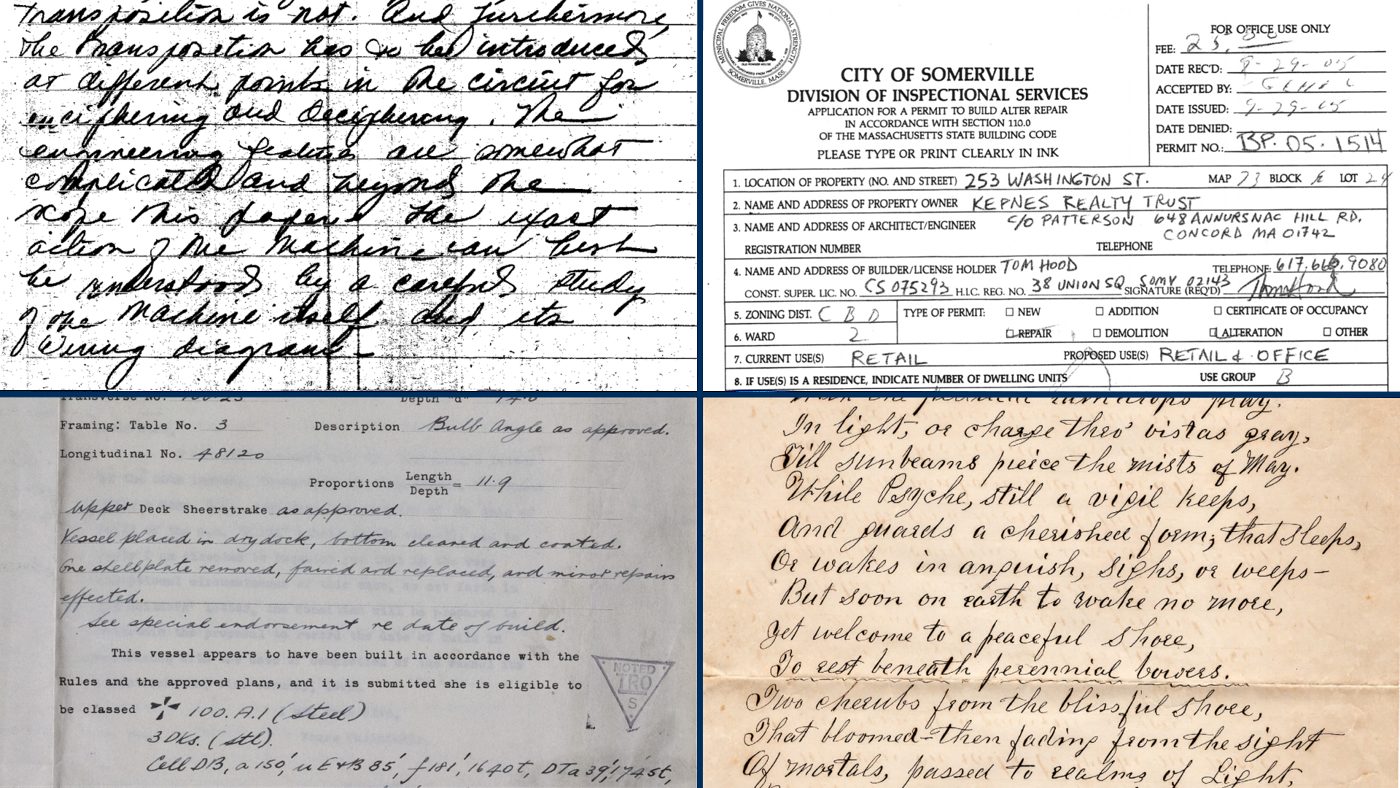
The originals have aged. Ink fades, paper stains, and the back of the page shows through. Lines run crooked, notes fill the margins, and abbreviations were part of the craft.
How IDA reads historical handwriting
IDA Recognition reads modern handwriting as well as historical scripts such as Kurrent and Sütterlin. It finds the lines of text first, even on crooked, densely written pages. Then it recognises the words line by line.
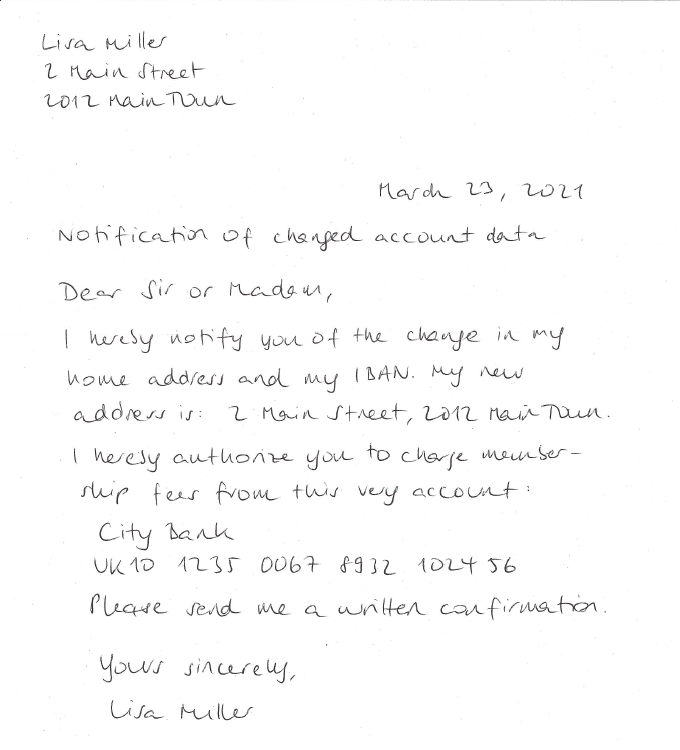
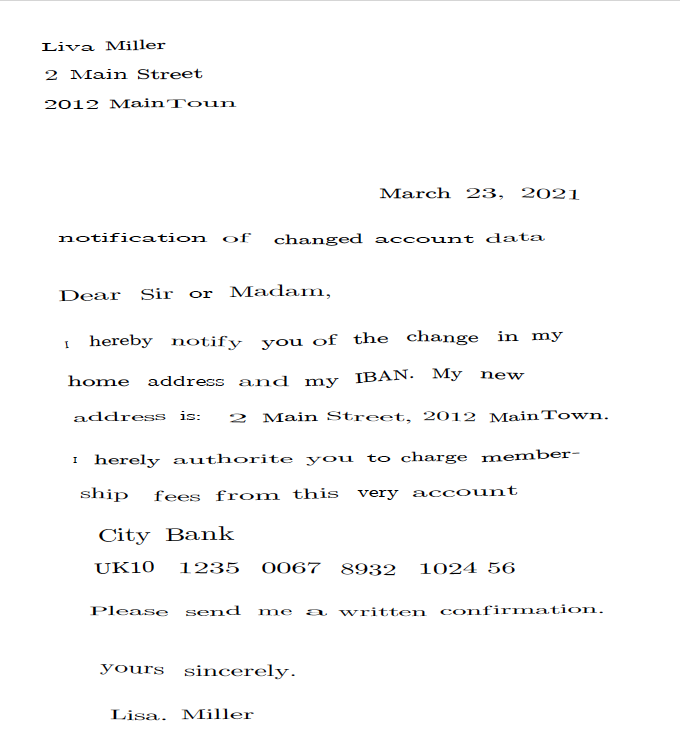
The result is a text layer over the scan. The page looks as before, and every word on it can now be searched. IDA rates each recognised word with a confidence score, so uncertain passages can be checked in a targeted way.
The research behind it has won international competitions on historical handwriting:
- Handwritten text recognition, ICFHR 2014 and ICDAR 2015
- Keyword spotting in handwritten documents, ICDAR 2015
- Line detection in medieval manuscripts and information extraction from historical registers, ICDAR 2017
- Baseline detection (cBAD), ICDAR 2019
All awards are listed on our technology page.
Who benefits
Archives and libraries
Holdings become searchable by name, place and date. Requests that used to mean leafing through boxes are answered with a search.
Research and family history
Historians and genealogists find people and places across thousands of pages, without having to read every one of them in Kurrent first.
Scanning service providers
Digitisation projects with handwritten material deliver full text, not just images.
Public authorities
Land registers and old files become searchable. For handwritten entries in current applications and forms, see IDA for forms.
More on IDA for archives and historical holdings.
Frequently asked questions
What is the difference between HTR and OCR?
OCR reads printed text. HTR reads handwriting. Many historical holdings mix both, for example printed forms filled in by hand. IDA reads both.
Can IDA read Kurrent and Sütterlin?
Yes. IDA Recognition reads historical scripts such as Kurrent and Sütterlin as well as modern handwriting.
How accurate is handwriting recognition?
That depends on the script, the writer and the condition of the original. We show you on sample pages from your holdings how well IDA reads them.
What happens to words that are hard to read?
Each recognised word gets a confidence score. Uncertain passages can be filtered and checked by a person.
Do our holdings stay with us?
IDA runs where you choose: in your own data centre, in your cloud or hybrid.
See it with your holdings
In a demo, we show you how IDA reads pages from your holdings.